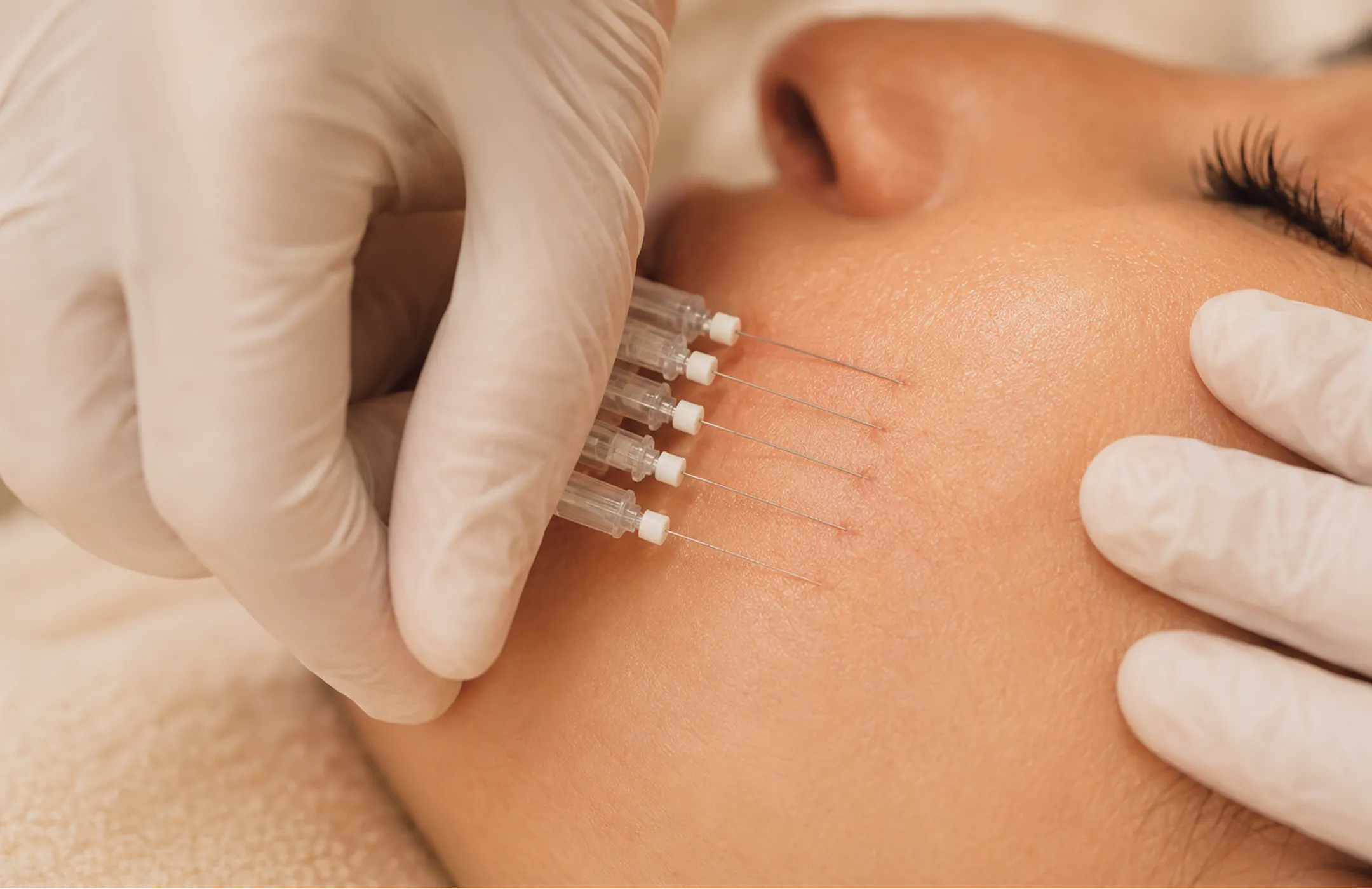
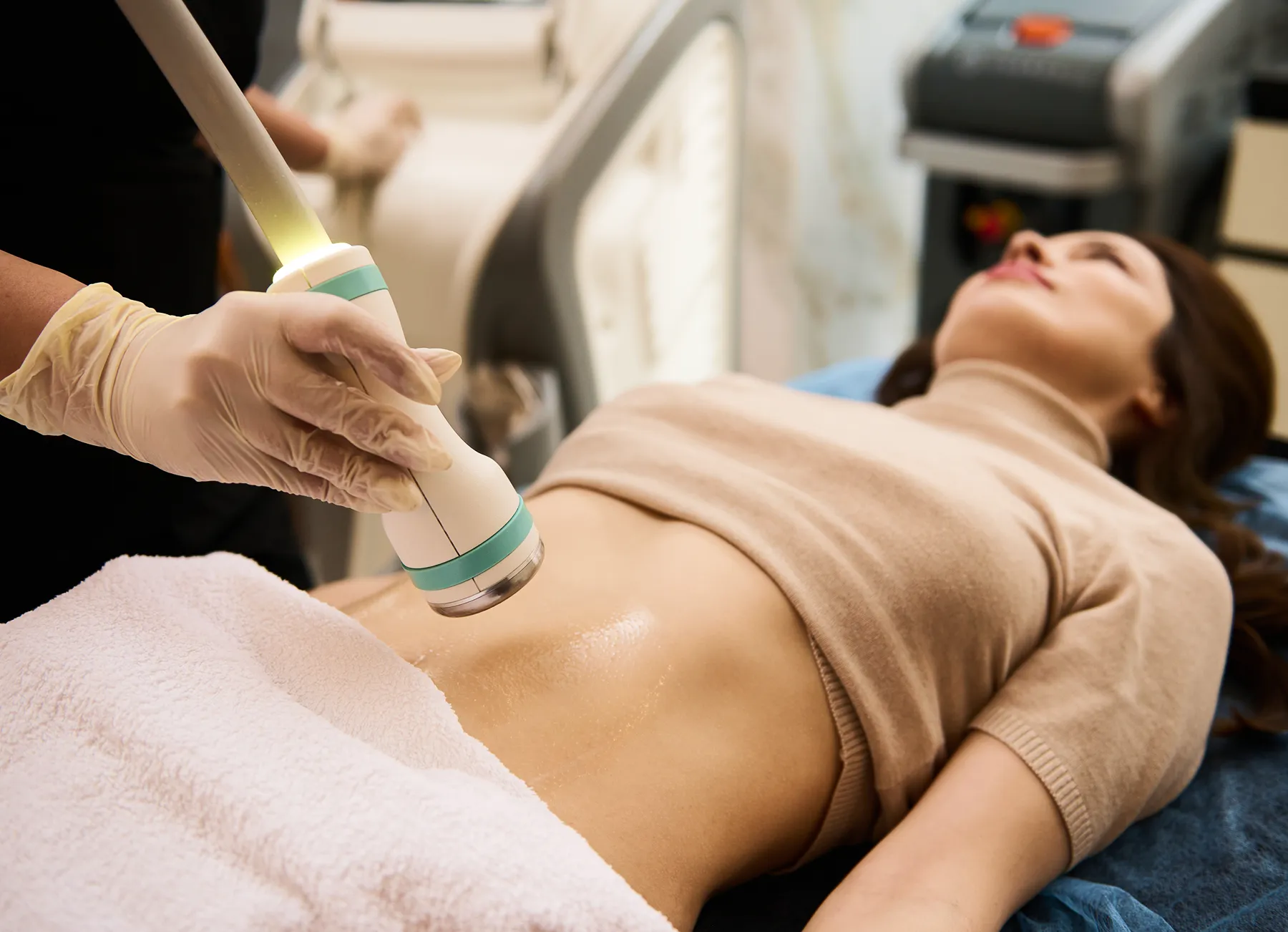

Over time, daily sun exposure, environmental pollution, hormonal shifts, and stubborn post-inflammatory marks can dull your skin’s natural radiance. When home care products and topical brightening serums plateau, clinical dermatology offers targeted solutions to address deep-seated pigmentation and uneven skin tone.
However, many myths still surround the concept of skin brightening. If you find yourself looking up the internet for a “skin-lightening treatment near me”, understanding what these treatments actually do and how they work safely can be the first step toward achieving a healthy, glowing complexion.
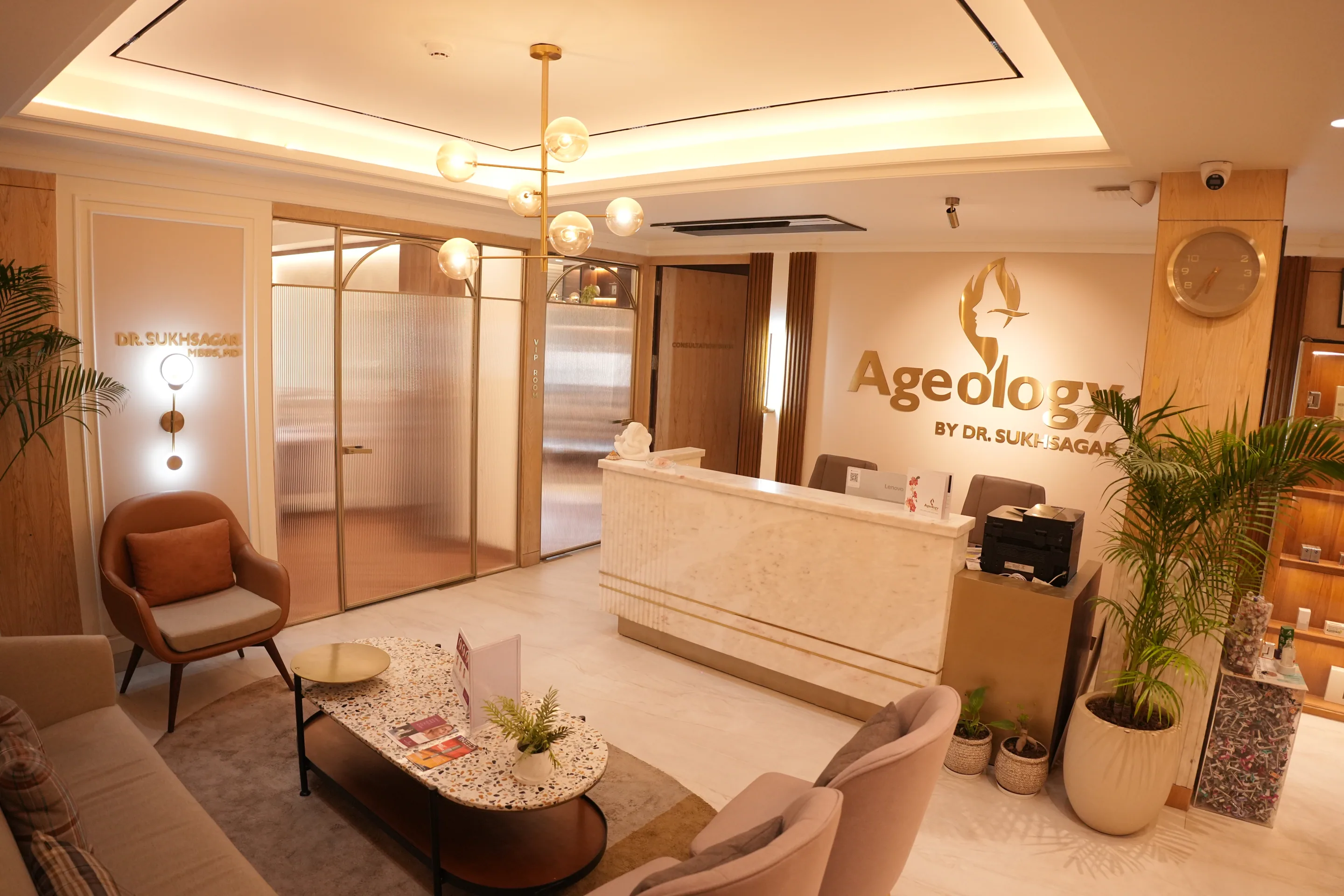
At Ageology, under the medical guidance of Dr Sukhsagar Ratol and our team of board-certified dermatologists, skin brightening is never about altering your natural skin tone. Instead, it is a refined medical process aimed at correcting hyperpigmentation, clearing dark spots, restoring clarity, and drawing out your skin’s inner luminosity.
What Is Skin Lightening Treatment?
Skin lightening treatments help to look at how your skin produces pigment. Melanocytes are specialised cells located in the deeper layers of the epidermis that produce melanin, the pigment responsible for skin colour. When triggered by UV radiation, stress, or inflammation, these cells can overproduce melanin in localised areas, leading to melasma, age spots, and uneven patches.
A clinical skin lightening treatment refers to an array of dermatologist-led procedures designed to safely reduce excess melanin, accelerate cell turnover, and restore a uniform, healthy tone. Rather than stripping or bleaching the skin, advanced dermatological care works in harmony with your skin’s natural biology to break down pigment clusters and clear damaged cells.
Key Types of Skin Lightening Treatments
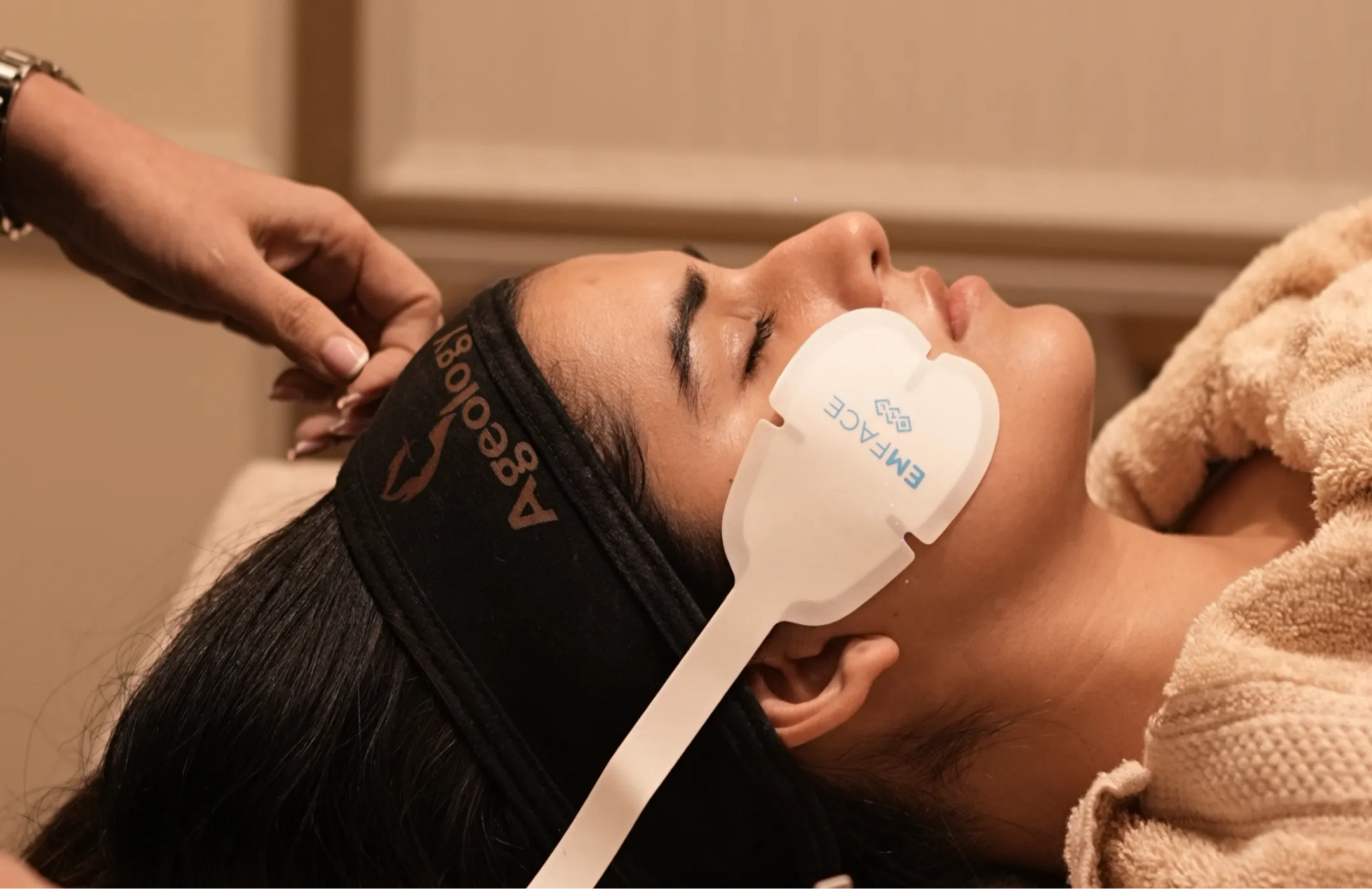
Because every skin profile is unique, finding the best skin-lightening treatment depends heavily on your specific concerns, skin tone, and underlying medical history. Modern dermatological practices utilise several complementary modalities:
- Laser Skin Lightening Treatment
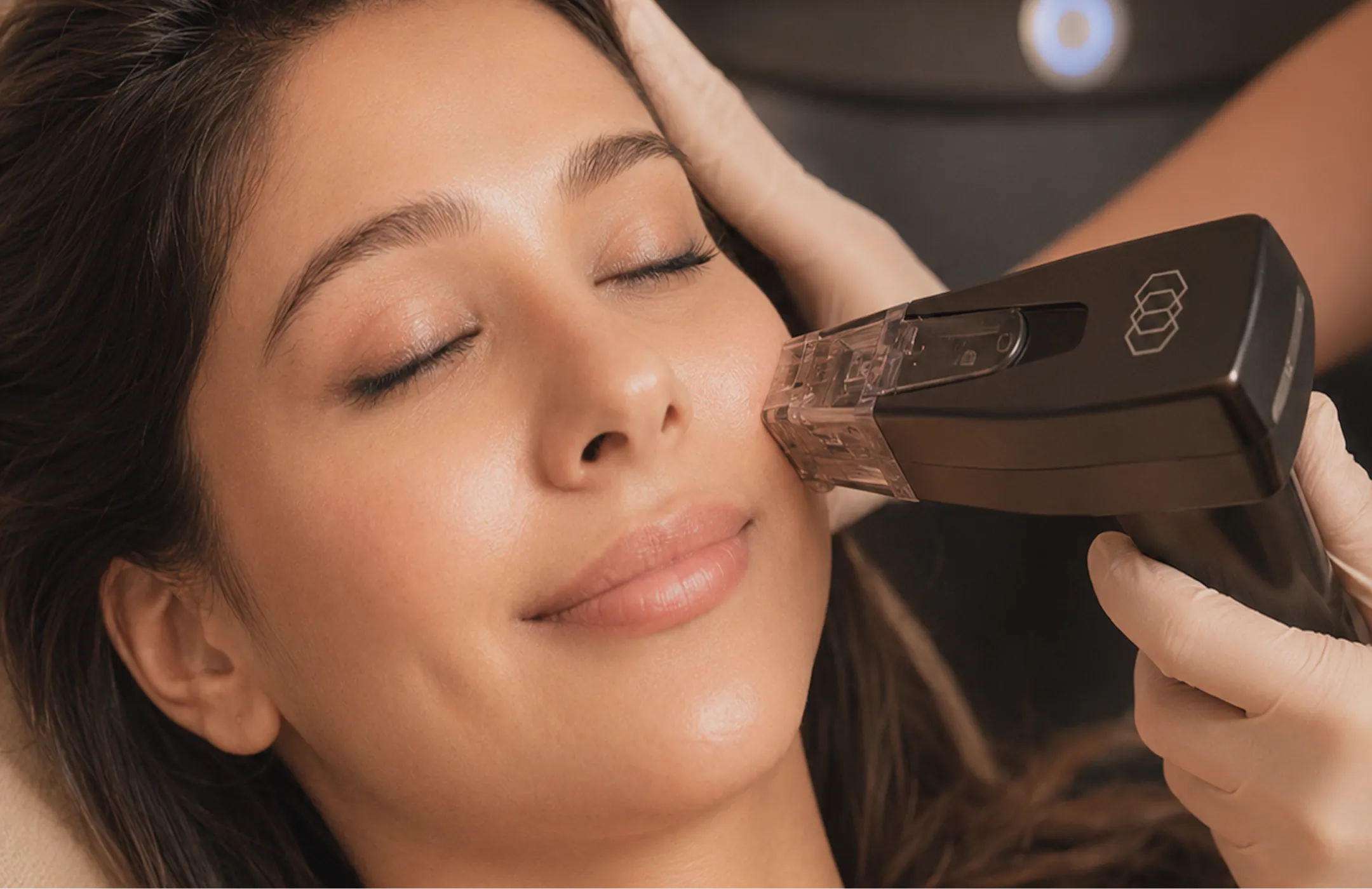
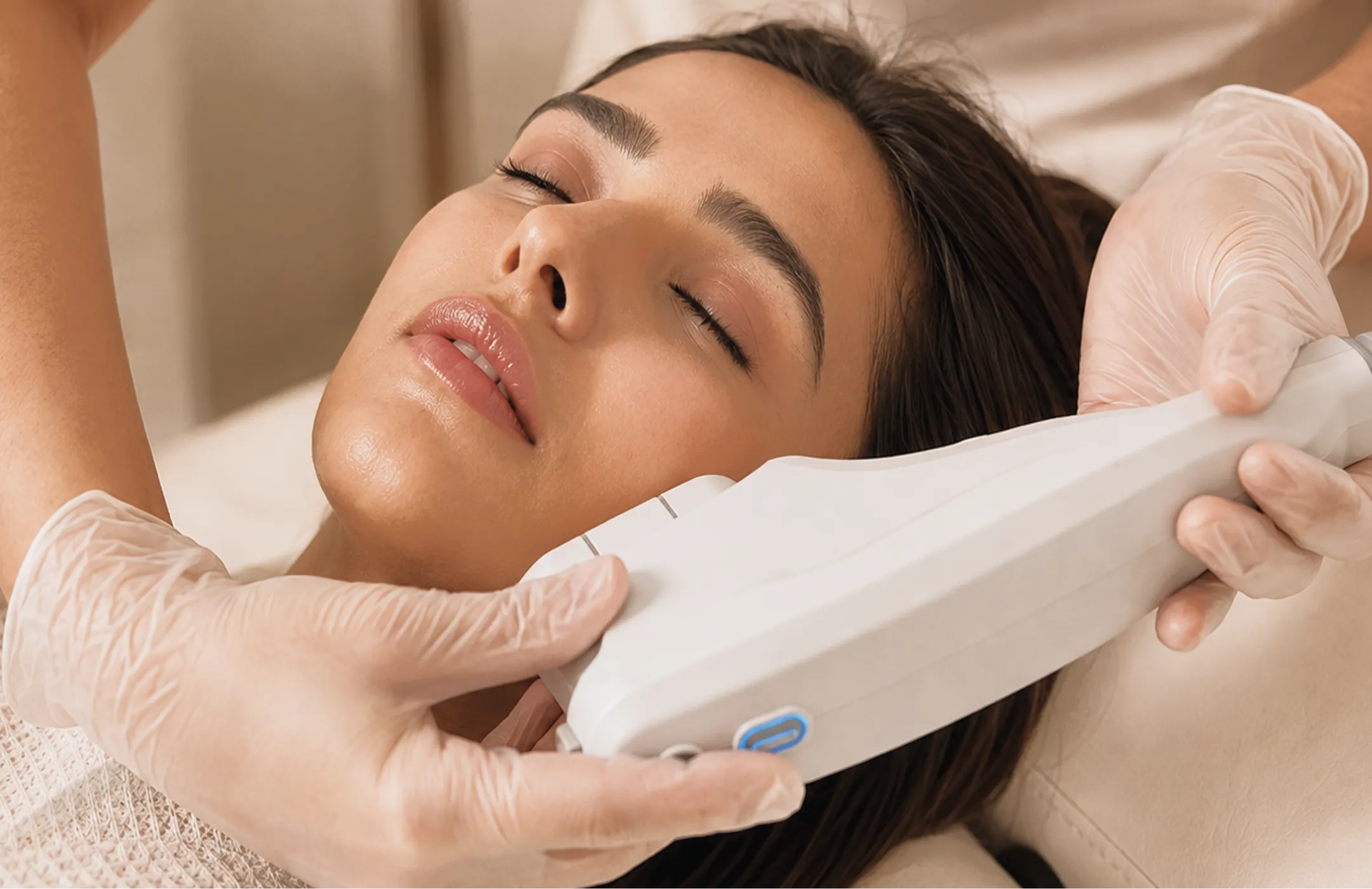
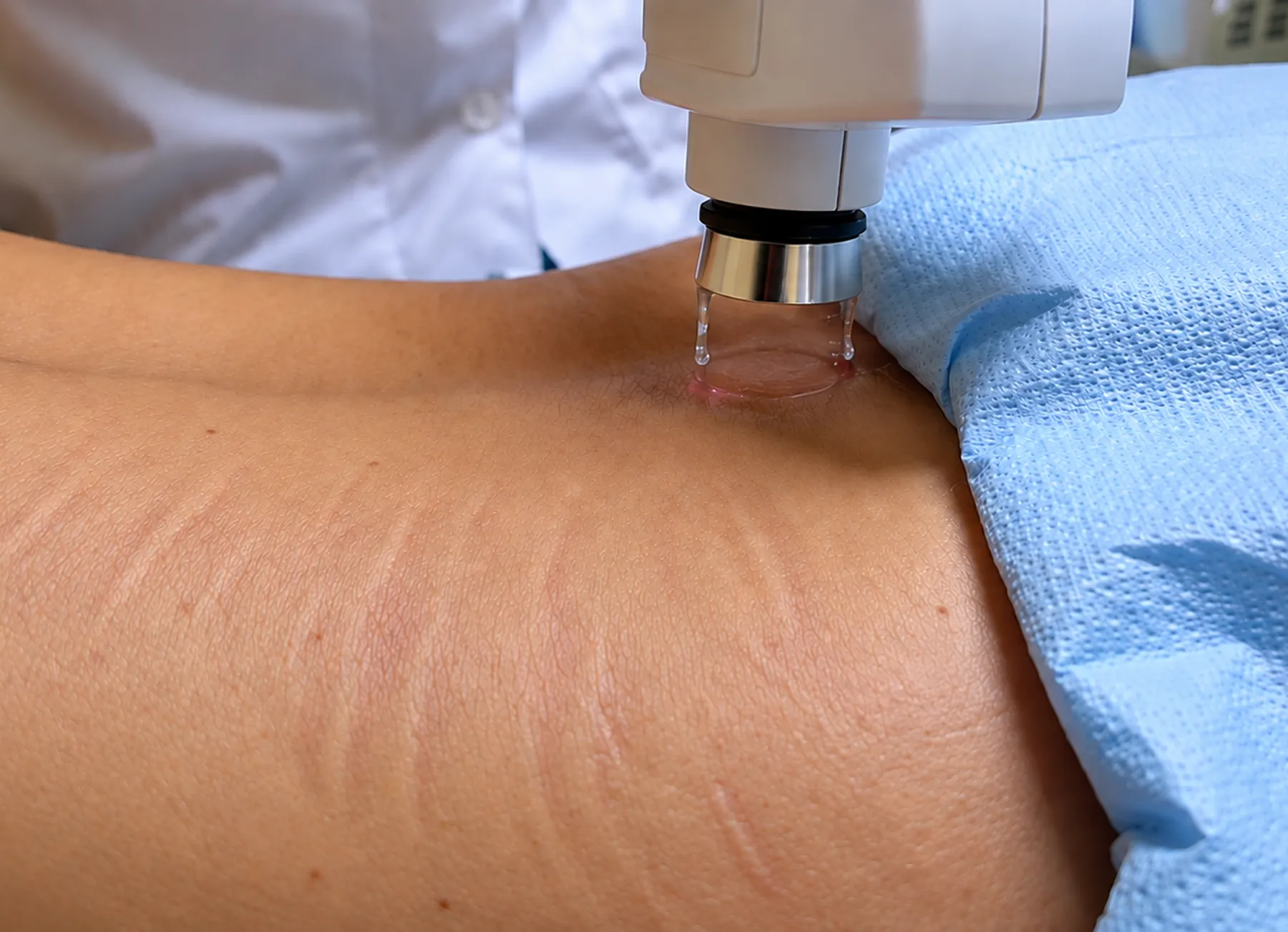
Energy-based devices have transformed how dermatologists address deep pigmentation. A laser skin lightening treatment uses focused wavelengths of light that selectively target melanin particles.
- Q-Switched Lasers & Hollywood Peel: These deliver rapid energy pulses that shatter dense melanin clusters into tiny particles, which your body clears naturally over time.
- Photofacial (IPL): Uses broad-spectrum light to absorb surface pigment, age spots, and sun damage while calming residual vascular redness.
- Medical Chemical Peels
Formulated with clinical-grade active ingredients like glycolic acid, lactic acid, or TCA, medical peels gently exfoliate the outermost layer of dead skin cells. This process accelerates cellular renewal and reveals fresher, brighter skin underneath.
- Advanced Medi-Facials & Infusions
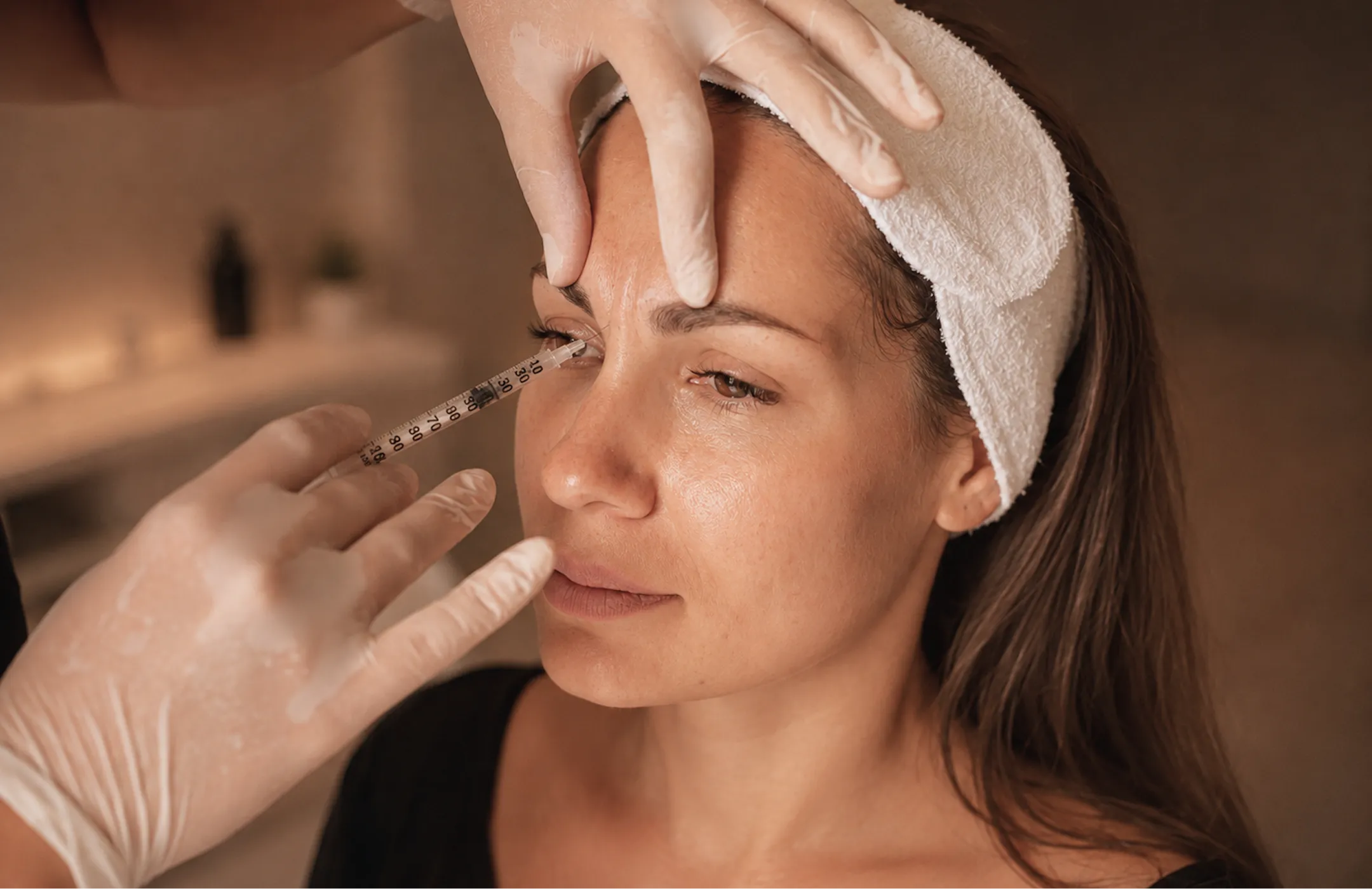
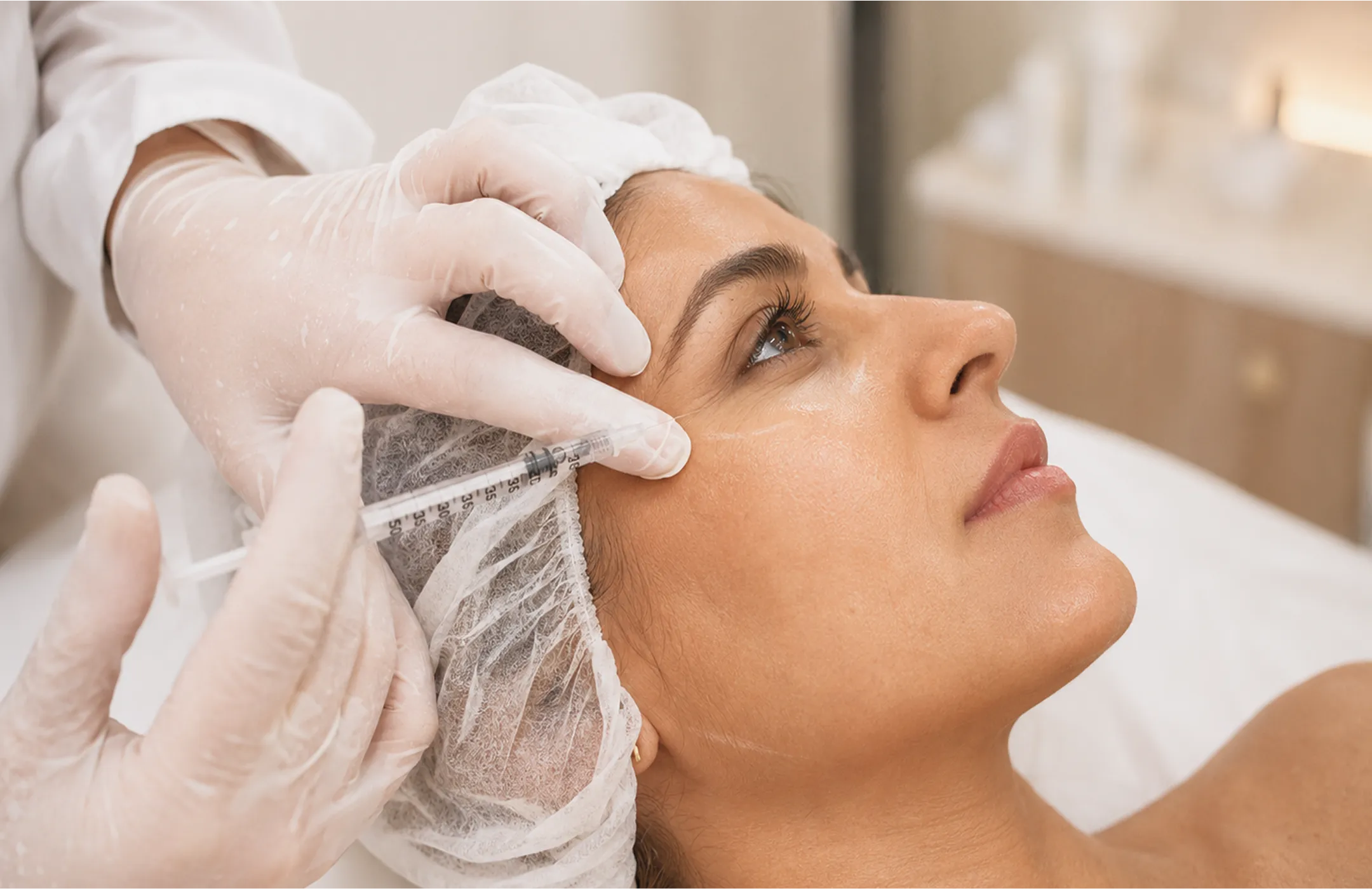
Treatments such as the Hydrafacial MD, Glass Skin Facial, and Fire & Ice Facial deliver antioxidant-rich serums, hyaluronic acid, and vitamin C directly into the skin. These options soothe the cutaneous barrier, provide intense hydration, and support overall skin radiance without downtime.
- Antioxidant & Glow Therapies
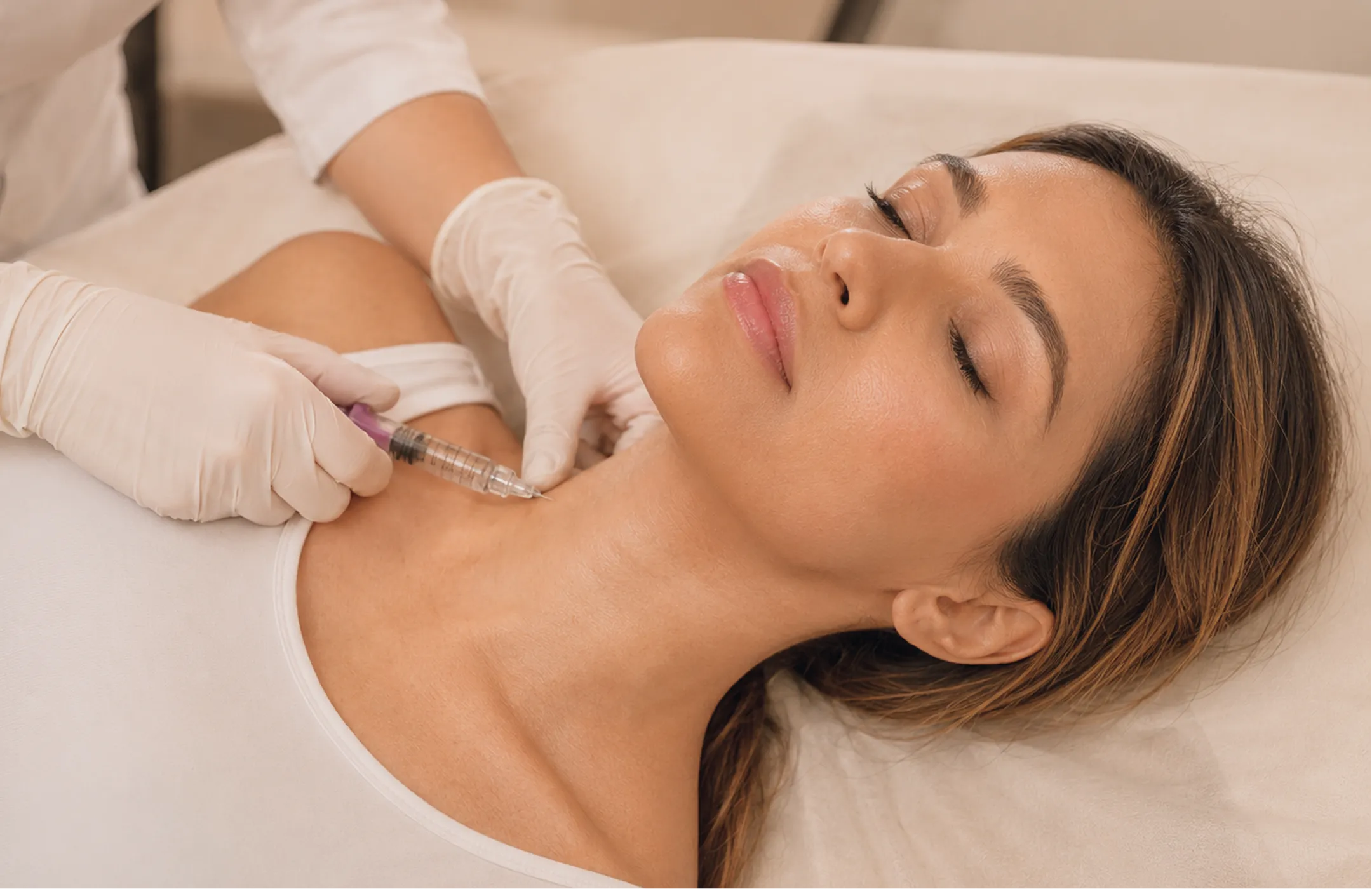
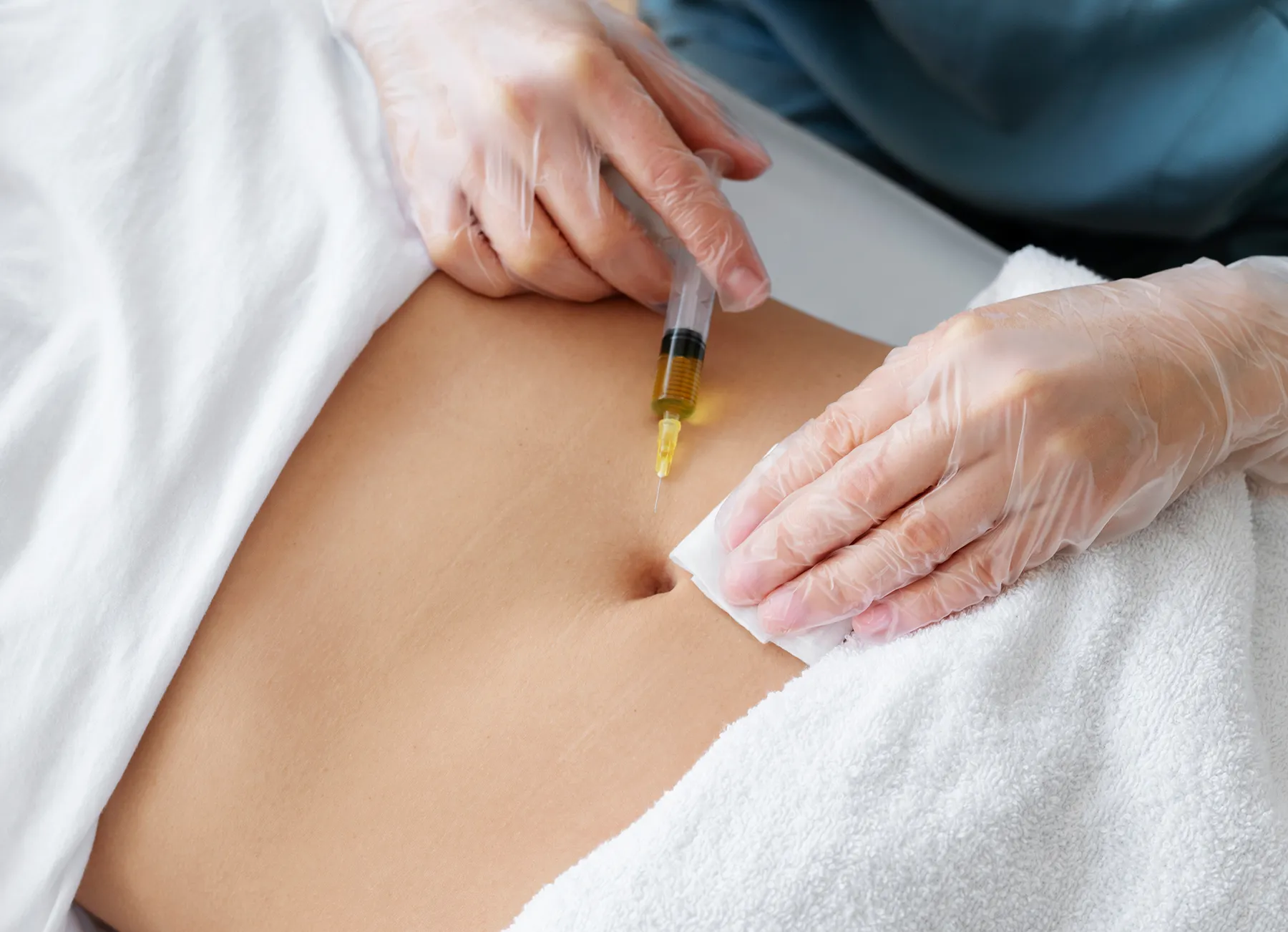
Systemic infusions, such as tailored IV drips containing key antioxidants like glutathione, work from within to neutralise free radicals, reduce oxidative stress, and support liver function, contributing to an overall healthier glow.
Explore a wide range of skin treatments at Ageology by Dr Sukhsagar Ratol.
What to Expect During Treatment
A realistic approach is essential when embarking on any clinical skin journey. Assessing a skin-lightening treatment before and after progress involves observing gradual, progressive improvements rather than instant overnight shifts.
- Before the Treatment: Your dermatologist conducts a comprehensive evaluation to map out pigment depth, assess barrier health, and identify underlying triggers. Pre-conditioning topical regimes may be recommended to prepare the skin.
- Immediately After: Depending on whether you receive a chemical peel, medi-facial, or laser skin lightening treatment, you may experience slight pinkness or mild peeling for a few days.
- Long-Term Results: Over a series of sessions, dark spots fade, stubborn patches soften, overall texture becomes smoother, and the skin regains a radiant, well-hydrated look.
Is Permanent Skin Lightening Treatment Possible?
A common question among patients is whether a permanent skin lightening treatment exists.
To set clear expectations, clinical dermatologists emphasise that no treatment can permanently halt melanin production forever. Your skin is a living, dynamic organ that continually responds to sun exposure, ageing, stress, and hormonal changes.
While treatments like Q-switched lasers and specialised peels permanently destroy existing pigment clusters, maintaining your bright, even tone requires ongoing care. Diligent daily broad-spectrum sun protection, protective skincare routines, and periodic maintenance sessions at Ageology are crucial to sustain your results long-term.
The Ageology Difference in Pigmentation Care
Achieving bright, healthy skin requires medical skill and individualisation. At Ageology in Chandigarh, under the expert direction of Dr Sukhsagar Ratol, we prioritise safety, skin health, and long-lasting beauty.
Instead of relying on harsh bleaching agents or aggressive, uniform protocols, we customise every treatment plan to match your unique skin type. By pairing state-of-the-art skin-lightening laser treatment technology with barrier-repairing therapies, we deliver gentle, effective, and natural-looking transformations.
Ready to discover your skin’s natural luminosity?
Book your personalised consultation with Dr Sukhsagar Ratol and the expert team at Ageology.